
Fish Oil with Vitamin D
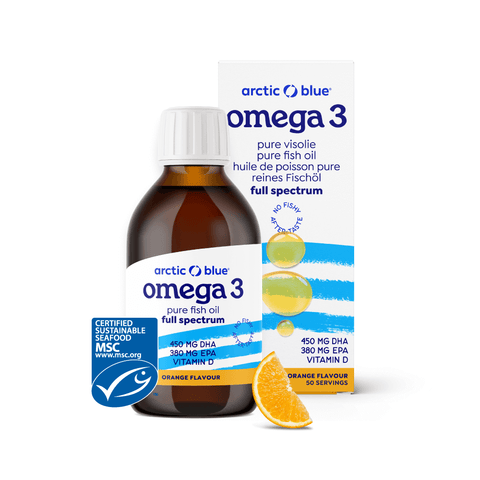
 Most Popular
250 ml (50 days)
150 ml (30 days)
Fish Oil with High EPA and DHA

 New

Default Title
Pure Fish Oil (Natural Flavor)


Default Title
Fish Oil Capsules (Large)
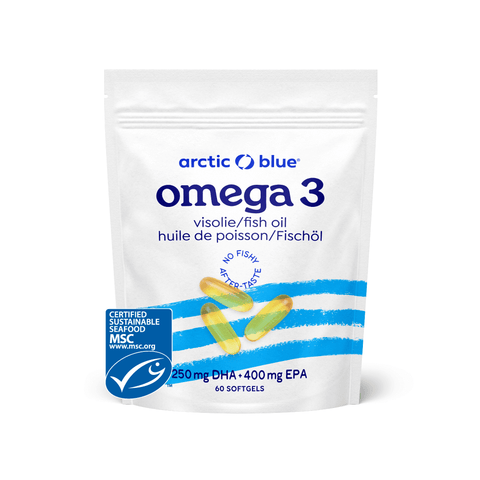
Default Title
Fish Oil Capsules
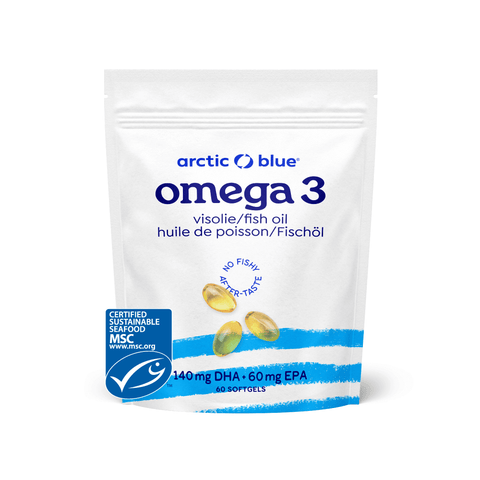
Default Title
Fish Oil Capsules with Vitamin D3 (Large)
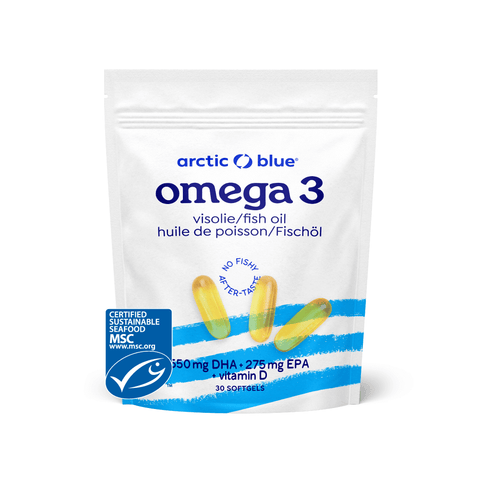 Most Popular
Default Title
Omega-3 Gummies
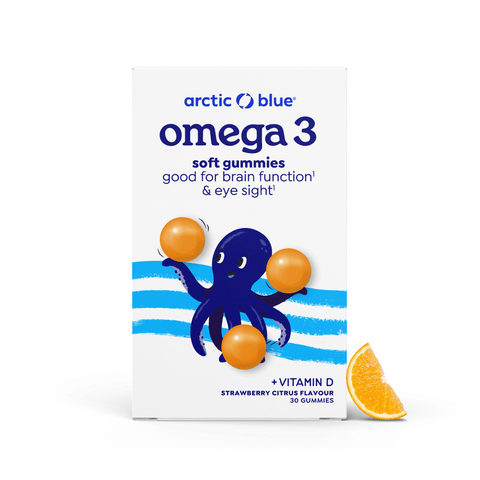 Most Popular
Default Title
Algae Oil DHA and EPA
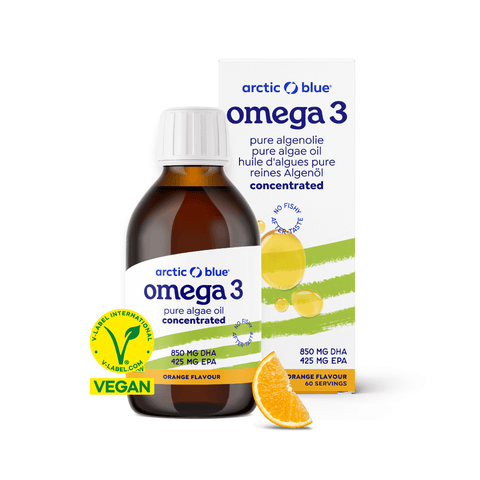 Most Popular
Default Title
Algae Oil and Hemp Seed Oil
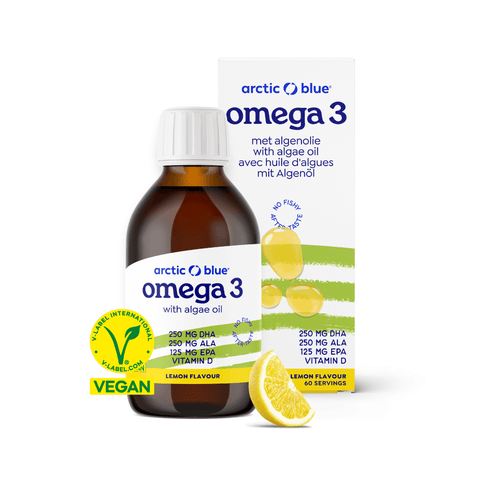
Default Title
Algae Oil and Flaxseed Oil
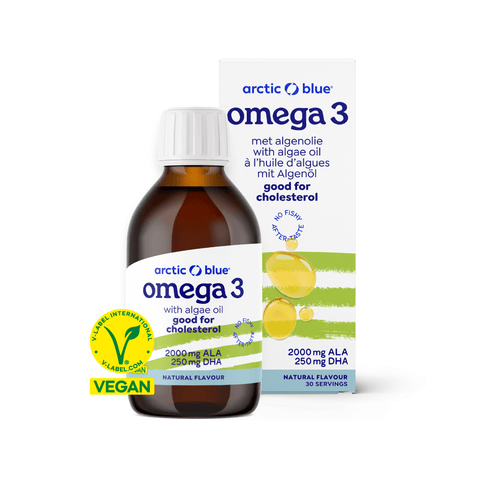
Default Title
Algae Oil DHA with Vitamin D Capsules
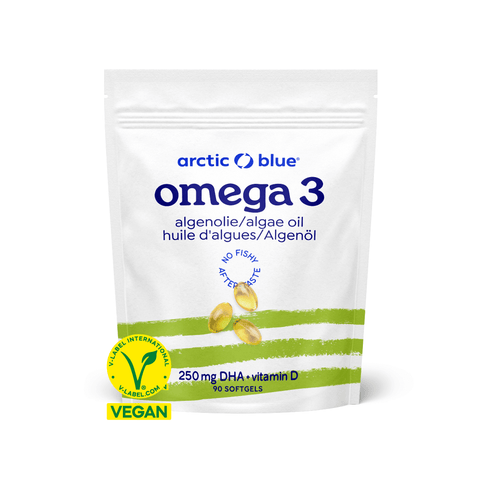
Default Title
Algae Oil DHA and EPA Capsules
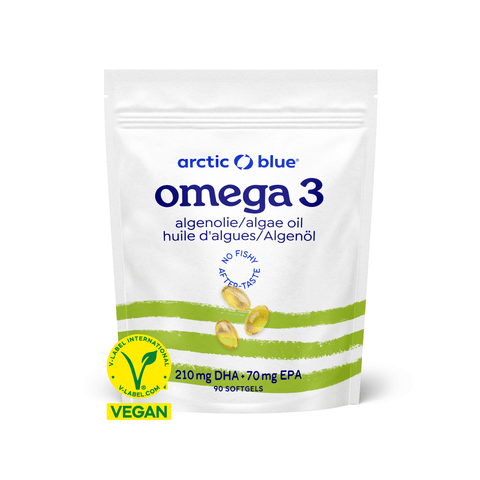 Most Popular
Default Title
Algae Oil DHA Capsules
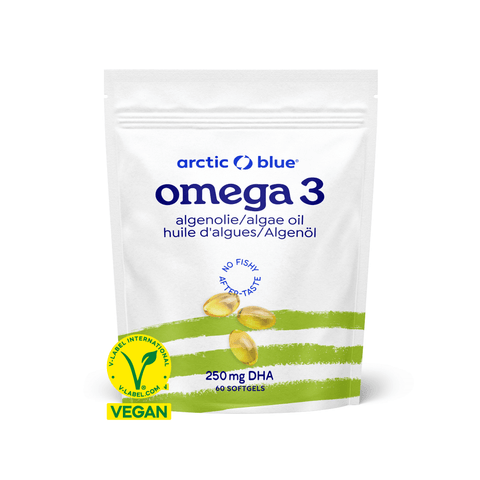
Default Title
Vegan Omega-3 Gummies
 New

Default Title
Fish Oil for Children
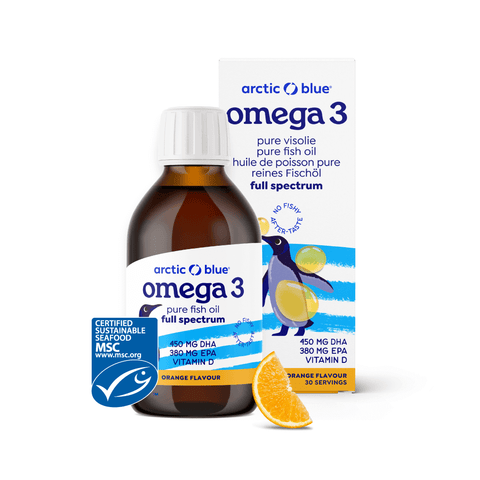
Default Title
Algae Oil for Children

 New

Default Title
Fish Oil for Dogs


Default Title
Fish Oil Capsules for Dogs


Default Title
Vitamin D3 + K2


Default Title
Omega-3 Index Test


Default Title
Question {17} of {18}
Almost done
Your advice
No suitable product
Previous
Skip
Continue
Start over
Go to the homepage
Show logic
Hide logic
Last question. After that, you'll see your personal score and recommendations.
Last question. After that, you'll see the recommendation for {4}.
Why We're Asking This
your child
your dog or cat
Niet in de card-pool (sectie-instelling Producten): {12}
Let's get to know each other first.
Then we'll know exactly which Omega-3 is right for you.
Now, a few questions about you…
That's great, {1}! Now, a few questions about you…
First, tell us a little about your child…
That's great, {1}! First, tell us a little about your child…
First, tell us a little about your dog or cat…
That's great, {1}! First, tell us a little about your dog or cat…
Now, let's talk about what {2} eats…
Now, let's talk about what you eat…
Now let's talk about what you eat and how often you go outside…
Almost done! Just a few more preferences…
Almost done! Just a moment to set your preferences for {2}…
What's your first name?
In just a minute, you'll know which omega-3 is right for you.
First Name
Who are you filling out the decision aid for?
Hi {1}! Who are you filling out the decision aid for?
Myself
My child
My dog or cat
How old are you?
Age
Your body's needs change as you get older. As you age, we tailor our advice to your stage of life.
What is your gender?
Woman
Man
I'd rather not say
What you need varies from person to person, and your gender plays a role in that. That’s why we tailor our advice to you and ask only the questions that apply to you.
What applies to you?
None of these
I'm pregnant
I'm trying to get pregnant
I'm breastfeeding
What is your child's name?
Your child's first name
How old is {2}?
Age in years
What's your dog's or cat's name?
Name
How much does {4} weigh?
1 to 5 kg
For example, a cat or a small dog
6 to 10 kg
11 to 20 kg
More than 20 kg
How often do you eat fatty fish?
How often do you eat fatty fish?
{1}, how often do you eat fatty fish?
How often does {2} eat fatty fish?
Such as salmon, mackerel, herring, anchovies, or sardines. White fish fillets from the supermarket, kibbeling, and fish sticks don’t count—those are lean fish, such as tilapia, pangasius, or pollock. An estimate is fine.
Such as salmon, mackerel, herring, anchovies, or sardines. White fish fillets from the supermarket, kibbeling, and fish sticks don’t count: those are lean fish, such as tilapia, pangasius, or pollock.
(Almost) never
Less than once a week
Once a week
Twice a week or more often
I don't eat fish
Don't eat fish
Are you already taking a (prenatal) multivitamin?
Yes
No
I'm not sure
On average, how much time do you spend outside in the sun each day, between 11 a.m. and 3 p.m.?
On average, how much time does {2} spend outside in the sun each day, between 11 a.m. and 3 p.m.?
Less than 30 minutes
30 minutes to 2 hours
More than 2 hours
How does your skin react to the sun?
How does {2}'s skin react to the sun?
I burn easily and hardly ever tan
First I turn red, and then I turn brown
I tan quickly and almost never get sunburned
I have dark skin
Burns quickly and barely turns brown
It turns red first, then brown
Tans quickly and almost never gets sunburned
Has a dark skin tone
Darker skin produces less vitamin D when exposed to the sun.
Fish or plant-based?
Which do you prefer: fish or plant-based?
Fish Oil
No fishy aftertaste. Made from fillet trimmings, so no fish are caught specifically for this product. MSC-certified.
Algae Oil
100% plant-based, with the same DHA and EPA as fish oil
No preference
Allergic to fish? Then choose algae oil.
How do you prefer to take omega-3?
How do you prefer to take omega-3?
How does {2} prefer to take omega-3?
Liquid or capsules?
Capsule
Capsules
Liquid
Gummy
It doesn't matter
It doesn't taste like anything and is convenient for on the go
You can't taste them at all, and they're convenient for on the go
Mild in flavor. Enjoy it straight from the spoon or mixed into yogurt
Mild in flavor. Enjoy it straight from the spoon or mixed into your yogurt
Delicious and easy—no water needed
We choose what works best
We'll choose what suits you best
Delicious and easy, even for picky eaters
A mild orange flavor, and more omega-3 than a gummy
Then we'll go with the liquid one
Then we'll choose the oil
A few milliliters mixed into the feed, and more cost-effective per day
For animals that simply eat a capsule
Enter an age.
Are you under 12? If so, have a parent fill out the decision aid for you.
Is this age correct? Enter an age up to 120.
Enter an age between 0 and 17. Once your child turns 18, they can fill out the decision aid on their own.
Enter a valid email address.
Unfortunately, we don't have a suitable product for this
We do not carry any products for babies under one year of age. Our oils are suitable for children ages 1 and up, and our gummies are suitable for children ages 3 and up.
If your baby is breastfed, your own omega-3 intake matters. We can help you with that. Formula usually already contains DHA. If you’re unsure, ask your pediatric nurse or family doctor.
Breastfeeding Advice
Daarin is {2} niet de enige: veel kinderen eten minder vis dan het advies. We nemen het mee in het advies.
Way to go! With that, {2} meets the fish consumption guidelines.
You're not the only one: nearly 2 out of 3 Dutch people eat fish less than once a week.
A great start: you eat fish more often than 2 out of 3 Dutch people. During pregnancy, however, the recommendation is to eat fish twice a week.
A great start: you eat fish more often than two out of three Dutch people. When breastfeeding, however, the recommendation is to eat fish twice a week.
Way to go! That means you eat fish more often than 2 out of 3 Dutch people.
Great! You eat fish more often than recommended—and more often than two out of three Dutch people.
Your advice is on its way…
{1}, your advice is on its way…
The recommendation for {2} is coming soon…
The recommendation for {4} is coming soon…
{6} years
{6} years old, female
{6} years old, male
pregnant
desire to have children
you're breastfeeding
(almost) never fatty fish
fatty fish less than once a week
Oily fish once a week
Fatty fish twice a week or more often
less than 30 minutes of sunshine per day
30 minutes to 2 hours of sun per day
more than 2 hours of sunshine per day
preferred fish oil
preference for algae oil
No preference: fish or plant-based
capsules
liquid
gummies
Omega-3 from fatty fish
Vitamin D
Vitamin D from sunlight
Low
Could be better
On the recommendation
Good
Additional requirements
You don't eat fish. Nuts and seeds do contain omega-3, but your body converts very little of it into EPA and DHA. A supplement makes up for that.
You (almost) never eat fatty fish. During pregnancy, the recommendation is to eat fish twice a week, including one serving of fatty fish.
You (almost) never eat fatty fish. When breastfeeding, the recommendation is to eat fish twice a week, including one serving of fatty fish.
You (almost) never eat fatty fish. During pregnancy, the recommendation is to eat fish twice a week, including one serving of fatty fish. Since you’re trying to conceive, now is a good time to start paying attention to your omega-3 intake.
You (almost) never eat fatty fish. The Netherlands Nutrition Center recommends eating fish once a week, preferably fatty fish.
You eat fatty fish less than once a week. During pregnancy, the recommendation is to eat fish twice a week, including one serving of fatty fish.
You eat fatty fish less than once a week. When breastfeeding, the recommendation is to eat fish twice a week, including one serving of fatty fish.
You eat fatty fish less than once a week. During pregnancy, the recommendation is to eat fish twice a week, including one serving of fatty fish. Since you’re planning to have a baby, now is a good time to start paying attention to your omega-3 intake.
You eat fatty fish less than once a week. The recommendation is once a week, preferably fatty fish.
You're halfway there: during pregnancy, the recommendation is to eat fish twice a week.
Great! Eating fatty fish once a week is exactly what the Netherlands Nutrition Center recommends.
Way to go! You're meeting the recommendation of eating fish twice a week during pregnancy.
Way to go! You're eating fatty fish more often than the recommended once a week.
{3} (Almost) never eats fatty fish. The recommendation for children is also to eat fish once a week, preferably fatty fish.
{3} eats fatty fish less than once a week. The recommendation is once a week, preferably fatty fish.
Great! Eating fatty fish once a week is exactly what's recommended for children.
Way to go! {3} eats fatty fish more often than the recommended once a week.
{3} Don't eat fish. Nuts and seeds do contain omega-3, but the body converts very little of it into EPA and DHA. A supplement makes up for that.
Starting at age 70, your skin produces less vitamin D. It is therefore recommended that you take a daily supplement of 20 µg of vitamin D.
Starting at age 50, the recommended daily intake of vitamin D for women is 10 µg, even if you spend a lot of time outdoors.
People with darker skin produce less vitamin D from sunlight. The Netherlands Nutrition Center therefore recommends a daily supplement of 10 µg.
With less than half an hour of sun, your skin produces very little vitamin D.
Spending half an hour or more outdoors each day helps your body produce enough vitamin D. That is also the advice from the Netherlands Nutrition Center.
Way to go! You produce enough vitamin D on your own when you're out in the sun.
For children up to 4 years of age, the recommended daily intake is 10 µg of vitamin D.
People with darker skin produce less vitamin D. The recommended daily intake is therefore 10 µg.
{3} spends less than half an hour a day outdoors and therefore produces very little vitamin D.
Way to go! {3} is enough time outdoors to produce your own vitamin D.
You're on the right track! A supplement is a great addition.
You're not getting much omega-3 from your diet right now. There's room for improvement!
You're already getting some omega-3 from your diet, but you could get more. There's room for improvement!
Your skin isn't producing much vitamin D right now. There's room for improvement!
Taking extra vitamin D is recommended. There's still room for improvement there!
Bij {11} zijn vijf of meer capsules per dag nodig, dus een zakje is binnen drie weken leeg. Met de olie ben je beter en goedkoper uit: van 6 ml per dag bij 21 tot 30 kg tot 10 ml bij 41 tot 50 kg, door het voer.
With {11}, {4} takes {7} capsules a day. This way, {4} gets exactly the right amount for their weight.
With {11}, {4} takes 1 capsule per day. This ensures that {4} gets exactly the right amount for their weight.
At {11}, {4} gets {8} ml of oil per day, mixed in with the food. This way, {4} gets exactly the amount appropriate for its weight.
The capsules are flavorless. You can give them on their own or hide them in their food, so they're also great for picky eaters.
Mix the oil into the food this way, and measure it out exactly according to the weight of {4}.
Je had geen voorkeur, dus kozen we de olie: die meng je zo door het voer, en je doseert hem precies op het gewicht van {4}.
With 90 capsules, {4} will have enough for about {10} months.
With 90 capsules, {4} will have enough for about {10} weeks.
Is {4} on a special diet prescribed by the vet—for example, for kidney or joint issues—or is {4} eating food with added fish oil? These foods sometimes already contain a lot of omega-3. If so, check with your vet first.
{3} (Almost) never eats fatty fish. The Netherlands Nutrition Center recommends that children eat fish once a week, preferably fatty fish. An omega-3 supplement can be a good addition to their diet.
{3} eats fatty fish less than once a week. The Netherlands Nutrition Center recommends that children eat fish once a week, preferably fatty fish. An omega-3 supplement can be a good addition to their diet.
{3} You already eat enough fish—great! In that case, a supplement isn't necessarily needed. If you still want to take one—for example, during weeks when you don't eat fish—this is the best choice.
For 1- and 2-year-olds, we recommend the liquid form: gummies are only suitable for children 3 years and older. You can give the oil straight or mix it into yogurt or porridge.
One fruity-flavored gummy a day: easy, even for picky eaters. Suitable for ages 3 and up.
You didn't have a preference for the form, so we chose the liquid version: it contains more omega-3 than the gummies do. It has a delicious orange flavor—enjoy it on its own or mixed into yogurt.
The oil is suitable for children ages 1 and up and is rich in omega-3. Serve it plain or mix it into yogurt.
{3} is enough time spent outdoors to produce your own vitamin D. Therefore, extra vitamin D isn't necessary, but the small amount in this product won't do any harm.
{3} is enough time outdoors to produce vitamin D naturally. Therefore, additional vitamin D is not necessary.
You chose a plant-based option: the omega-3 comes from algae. That's where fish get their omega-3 from, too.
You already eat fish twice a week. According to the Netherlands Nutrition Center, you don't need a supplement in that case.
According to the Netherlands Nutrition Center, you don't need a supplement in that case.
If you can't do that every week, then this is the lowest dose available in the form you chose.
The Netherlands Nutrition Center recommends that pregnant women eat fish twice a week. If that’s not possible, they should take a supplement containing 250 to 450 mg of DHA per day.
The Netherlands Nutrition Center recommends that pregnant women eat fish twice a week. If that’s not possible, they should take a supplement containing 250 to 450 mg of DHA per day. This product falls within that range.
A supplement containing 250 to 450 mg of DHA per day makes up for that.
A supplement containing 250 to 450 mg of DHA per day makes up for that. This product falls within that range.
This capsule provides 550 mg of DHA, which is slightly more than needed. That’s not harmful, and it already contains the recommended 10 µg of vitamin D.
Take 1 gummy per day: it contains 250 mg of DHA and 5 µg of vitamin D. When taken along with your prenatal vitamins, you’ll stay well within the safe range.
Take 2 gummies per day. This will provide you with 500 mg of DHA and the 10 µg of vitamin D recommended for pregnant women.
We chose this oil for you because of its mild orange flavor: it’s pleasant if you’re experiencing nausea. It contains 10 µg of vitamin D. Does your prenatal vitamin also contain vitamin D? If so, the combined amount will still be well below the safe limit of 100 µg per day.
We chose this oil for you because of its mild orange flavor—which is also nice if you experience nausea during a future pregnancy. It contains 10 µg of vitamin D. Does your prenatal vitamin also contain vitamin D? If so, be sure to check your total intake.
Would you rather not have extra vitamin D? Then choose Pure Fish Oil (natural flavor): the same omega-3, without vitamin D.
You're already taking a prenatal vitamin or multivitamin, and those usually contain vitamin D. That's why you should choose an omega-3 supplement that doesn't contain it.
Pregnant women are recommended to take 10 µg of vitamin D per day. This product contains exactly that amount, and the mild orange flavor is pleasant if you’re experiencing nausea.
Pregnant women are advised to take 10 µg of vitamin D per day. This product contains exactly that amount.
Pregnant women are recommended to take 10 µg of vitamin D per day. This product does not contain that amount, so be sure to take a separate supplement if you are not taking a prenatal vitamin.
Since you didn't have a preference regarding the form, we chose capsules: you can't taste them at all, which is also nice if you're feeling nauseous.
You don't eat fish, so you need to get your omega-3 from a supplement. This oil is 100% plant-based, including the vitamin D it contains.
You (almost) never eat fatty fish, so you need to get your omega-3 from a supplement. This oil is 100% plant-based, including the vitamin D it contains.
Since you (almost) never eat fatty fish, we chose a product that's high in omega-3.
You already eat fatty fish regularly, so a standard dose of omega-3 is enough.
You eat fatty fish from time to time. A standard dose of omega-3 supplements that.
You (almost) never eat fatty fish. Fish is the main dietary source of EPA and DHA. That’s why a higher-dose omega-3 supplement could be a good choice for you.
Eating fatty fish just once a week will get you a long way. A standard dose of omega-3 will make up the rest.
You already eat fish more often than the Netherlands Nutrition Center recommends (once a week). In that case, a standard dose of omega-3 is sufficient.
You skipped the question about fish. We're assuming a standard dose of omega-3.
Since you didn't have a preference regarding the form, we chose the liquid form: it's easy to measure out.
Since you didn't have a preference regarding the form, we chose the liquid version: it's easy to measure out and has a delicious orange flavor.
Since you didn't have a preference regarding the form, we chose the liquid version: it's easy to measure out and has a delicious lemon flavor.
Since you didn't have a preference regarding the form, we chose capsules: you can't taste them at all.
You didn't have a preference between fish or algae. We chose fish oil: MSC-certified and made from fillet trimmings.
Vitamin D is recommended for you, but this potent algae oil doesn't contain it. You can therefore add Vitamin D3 + K2 to your routine.
Darker skin produces less vitamin D when exposed to the sun. The Netherlands Nutrition Center therefore recommends a daily supplement of 10 µg of vitamin D, which is contained in this product.
You skipped the question about sunlight. We chose the version with vitamin D because most people in the Netherlands don't get enough sunlight.
On sunny days, you don't spend much time outdoors, so your skin doesn't produce much vitamin D on its own. That's why this product already contains it.
Since you don't get much sun, we recommend a product that contains vitamin D.
You get enough sun to produce your own vitamin D, so a product without it is enough.
You get plenty of sun, so a product without vitamin D is enough.
This product provides half of the 20 µg of vitamin D recommended for people aged 70 and older.
This product provides you with {13} of the 20 µg of vitamin D recommended for people aged 70 and older.
This product provides 10 µg of vitamin D per day: exactly the recommended amount for women 50 and older.
This product provides {13} µg of vitamin D per day. The recommended daily intake for women 50 and older is 10 µg.
For children up to 4 years old, the recommended daily intake is 10 µg of vitamin D.
For people with dark skin, the recommended daily intake is 10 µg of vitamin D.
Since {2} spends little time outdoors, the recommended intake is 10 µg of vitamin D per day.
{12} does not contain vitamin D, so be sure to give your child vitamin D drops as well, if you aren't already doing so.
{12} do not contain vitamin D, so be sure to give your child vitamin D drops as well, if you aren't already doing so.
{12} gives exactly that 10 µg.
{12} provides {13} µg, so be sure to give vitamin D drops as well, if you aren't already.
You're already getting the recommended amount from your diet—great! In that case, a supplement isn't necessarily needed. If you still want to take one just to be safe—for example, during weeks when you don't eat fish—this is the best option.
For the growth of {2}
Vitamin D is necessary for the normal growth and development of children's bones. {12} contains vitamin D.
Vitamin D is necessary for the normal growth and development of children's bones. {12} contain vitamin D.
For Your Baby
A mother’s intake of DHA during pregnancy and breastfeeding contributes to the normal development of your baby’s brain and eyes. This applies to 200 mg of DHA per day, in addition to the usual 250 mg of EPA and DHA. This product provides that.
Get a head start
Even if you're not yet pregnant, it's a good idea to start paying attention to your DHA intake.
For Strong Bones
Vitamin D helps maintain healthy bones. This is especially important once you turn 50.
For Your Brain
DHA helps maintain normal brain function when taken daily at a dose of 250 mg. This product provides that.
For Your Heart
EPA and DHA contribute to normal heart function when taken daily in a dose of 250 mg. This product provides that.
Your advice
{1}, here is your advice
Recommendations for {2}
The recommendation for {4}
Based on what you told me about {2}.
Based on the weight of {4}.
Your score
The score of {2}
That's the current situation with omega-3.
Here's the current situation regarding omega-3 and vitamin D.
About Your Advice
Why this product is a good fit.
Your score
The score of {2}
Your Omega-3 Score
Why This Is a Good Fit for You
Why this fits with {2}
Why this fits with {4}
Good to Know
Why focus on weight?
A cat or small dog needs much less than a large dog. That's why we calculate the amount based on the weight you provided.
Oil or capsules?
Both work. The oil is more cost-effective on a daily basis and mixes easily into the food; capsules are convenient if your pet will eat them without hesitation.
Why Omega-3 for Children?
The Netherlands Nutrition Center also recommends that children eat fish once a week, preferably fatty fish. These contain the omega-3 fatty acids EPA and DHA, which the body produces only in very small amounts. If your child doesn’t eat fish, a supplement can make up for what’s missing.
What is it found in?
Especially in fatty fish such as salmon, mackerel, and herring. White fish fillets from the supermarket, kibbeling, and fish sticks contain very little: those are lean fish.
What is Omega-3?
Omega-3 is a collective term for a group of polyunsaturated fatty acids. The best-known ones are EPA and DHA. Your body can hardly produce them on its own, so you rely mostly on what you eat or on a supplement.
What are the benefits of omega-3?
EPA and DHA contribute to normal heart function. DHA also contributes to the maintenance of normal brain function and normal vision. A daily intake of 250 mg is recommended for both.
At higher doses, EPA and DHA help maintain normal blood pressure, based on a daily intake of 3 grams of EPA and DHA. That is approximately 2.5 servings of this product. Do not take more than 5 grams of EPA and DHA per day.
During pregnancy and breastfeeding, DHA also contributes to the normal development of your baby’s brain and eyes. This applies when taking 200 mg of DHA per day, in addition to the usual 250 mg of EPA and DHA.
What foods contain omega-3?
Especially in fatty fish, such as salmon, mackerel, and herring. Medium-fat and lean fish, as well as shellfish, also contain some, but much less.
Flaxseed, chia seeds, and walnuts provide omega-3 in a different form: ALA. Your body converts only a small portion of this into EPA and DHA—on average, about 5 to 10 percent into EPA and less than 1 percent into DHA.
Want to know more?
Algae oil or fish oil: What's the difference?
Why Vitamin D and How Much You Need
ALA, EPA, and DHA: What's the Difference?
Omega-3 During Pregnancy
Omega-3 for your baby: what does it do for development?
Is omega-3 important for children?
Do you have any questions about your consultation?
Our customer service team will be happy to assist you.
Contact Us
Product Recommendations
This product is the best fit for you.
This product pairs best with {2}.
This product pairs best with {4}.
Our recommendation for you
If you still want to add something
Allergen Information:
Contains fish
Take
{14} per day
{6} out of {10} reviews
450 mg DHA + 380 mg EPA + 10 µg vitamin D3 per measuring spoon
500 mg DHA + 750 mg EPA per serving
450 mg DHA + 380 mg EPA per serving, without vitamin D
250 mg DHA + 400 mg EPA per capsule
140 mg DHA + 60 mg EPA per capsule, 400 mg per daily dose
550 mg DHA + 275 mg EPA + 10 µg vitamin D3 per capsule
250 mg DHA + 70 mg EPA + 5 µg vitamin D3 per gummy
850 mg DHA + 425 mg EPA per teaspoon
250 mg DHA + 125 mg EPA + 250 mg ALA + 10 µg plant-based vitamin D3
250 mg DHA + 2,000 mg ALA per spoonful
250 mg DHA + 10 µg vitamin D3 per capsule
420 mg DHA + 140 mg EPA per daily dose
250 mg of DHA per capsule, 100% plant-based
250 mg DHA + iodine + 5 µg vitamin D3 per gummy
450 mg DHA + 370 mg EPA + 10 µg vitamin D3 per measuring spoon
350 mg DHA + 170 mg EPA per 20 drops
220 mg of omega-3 per ml, including 80 mg of EPA and 90 mg of DHA
Fish oil in capsule form, with a neutral taste
50 µg of vitamin D3 + 90 µg of vitamin K2 per softgel
Testing at home with a finger prick, with a Dutch-language results report
One measuring spoon per day, either on its own or mixed into yogurt
One dessert spoon per day, with a fresh lemon flavor
One measuring spoon per day
One capsule a day
Two small capsules a day
One capsule a day
One gummy a day, sugar-free
Two gummies a day, sugar-free
Two gummies a day, tropical flavor, sugar-free
One teaspoon a day, with a mild orange flavor
Half a measuring spoon per day, mild lemon flavor
Add it to yogurt, salad dressing, or a smoothie. Spicy flaxseed flavor
One capsule a day
Two small capsules a day
One capsule a day
One gummy a day, tropical flavor, sugar-free
Add to yogurt, a shake, or a smoothie. Mild orange flavor
20 drops per day, mild orange flavor
Once a day with the food
60 doses per bottle, enough for 2 months.
60 doses per bottle, enough for 2 months.
60 softgels, enough for 2 months.
60 softgels, enough for 1 month.
30 softgels, enough for 1 month.
30 gummies, enough for 1 month.
60 doses per bottle, enough for 2 months.
60 doses per bottle, enough for 2 months.
30 doses per bottle.
90 softgels, enough for 3 months.
90 small softgels, enough for 45 days.
60 softgels, enough for 2 months.
30 gummies, enough for 1 month.
30 doses per dropper bottle.
30 gummies, enough for over 2 weeks.
30 gummies, enough for over 2 weeks.
A 250-ml bottle lasts 50 days.
Half a measuring spoon per day. One bottle lasts 60 days.
Up to age 6, take half a measuring spoon per day; from age 7 onward, take a full one. One bottle lasts 60 or 30 days.
{7} capsules per day. One 90-capsule bottle lasts {9} days.
1 capsule per day. One 90-count package lasts {9} days.
Give {8} ml at a time. One 300-ml bottle lasts {9} days. Store in the refrigerator after opening.
Administer {8} ml at a time. Once opened, store in the refrigerator and use within 9 months.
21 to 30 kg: 6 ml per day, 31 to 40 kg: 8 ml per day, 41 to 50 kg: 10 ml per day. Over 50 kg: please consult with us. Store in the refrigerator after opening.
Create your own routine
We've selected the product that's best for you. Check the boxes for any add-ons you'd like.
Your order
Choose how you'd like to place your order.
There's no vitamin D in your omega-3. Take this to supplement it—just one small softgel a day.
Are you taking blood thinners such as acenocoumarol or fenprocoumon? If so, this product is not suitable for you because it contains vitamin K2.
To measure is to know. With these results, your body tells you exactly what daily dose it needs.
Order Preference
Single purchase
Subscription
We'll automatically renew your subscription. You can pause or cancel at any time.
How often do we deliver?
{12} is included once.
Every month
Every {6} months
{6}% off
Calculated at checkout
Subtotal
Shipping Costs
Free
Total
Order
Please wait a moment…
We were unable to add this to your shopping cart. Please try again.
100% No-Upgrade Guarantee
No fishy aftertaste or burping. Still having trouble? Then you'll get your money back.
Not sure what you need? Then talk to your midwife or family doctor.
Would you rather not give {4} fish oil? Then you can also choose
Algae Oil and Flaxseed Oil
Algae Oil DHA Capsules
, 100% plant-based. Our customer service team is happy to help you determine the proper dosage.
Save your advice
{1}, save your advice
Save the advice for {2}
Save the advice for {4}
We'll send {19} to your email. It's handy to read later or forward to someone else.
the product recommendations and explanations
your score, the product recommendations, and the explanation
the score, the product recommendation, and the explanation
jouw@email.nl
Send advice
Please also send me tips and special offers from Arctic Blue
We use your email address to send you this advice. You can unsubscribe at any time.
Sent to {16}. Check your inbox.
The message could not be sent. Please try again later.
That's why you choose Arctic Blue
MSC-certified, made from fillet trimmings: no fish is caught specifically for this purpose
Alaska fish oil, from wild-caught Alaska pollock from the Bering Sea and the Gulf of Alaska
Fish oil from Norway, made from wild-caught cod from the cold northern seas
Vegan-certified, 100% plant-based omega-3 from algae
Rated 4.8 on Trustpilot, based on over 3,400 reviews
Free shipping on orders of €30 or more
The information on this page is intended as a general guideline, not medical advice. Are you taking any medications or do you have a medical condition? If so, please consult your doctor first. If you have an allergy, please check the ingredients on the product page.
{3} Don't eat fish. Nuts and seeds do contain omega-3, but your body converts very little of it into EPA and DHA. A supplement makes up for that.
{3} (Almost) never eats fatty fish. The Netherlands Nutrition Center recommends eating fish once a week, preferably fatty fish.
{3} eats fatty fish less than once a week. The recommendation is once a week, preferably fatty fish.
Great! Eating fatty fish once a week is exactly what the Netherlands Nutrition Center recommends.
Way to go! You're eating fatty fish more often than the recommended once a week.
{3} Sounds good! A supplement is a nice addition.
{3} currently gets very little omega-3 from their diet. There's room for improvement there!
{3} already gets some omega-3 from their diet, but there's room for improvement. There's more to be gained there!
{2}'s skin doesn't produce much vitamin D right now. There's room for improvement!
Taking extra vitamin D is recommended. There's still room for improvement there!
{3} If you don't eat fish, you'll need to get your omega-3 from a supplement. This oil is 100% plant-based, including the vitamin D it contains.
{3} You (almost) never eat fatty fish, so you need to get your omega-3 from a supplement. This oil is 100% plant-based, including the vitamin D it contains.
Since {2} (almost) never eats fatty fish, we chose a product high in omega-3.
{3} already eats fatty fish regularly, so a standard dose of omega-3 is enough.
{3} Eat fatty fish from time to time. A standard dose of omega-3 supplements will round out your intake.
{3} (Almost) never eats fatty fish. Fish is the main dietary source of EPA and DHA. That’s why a higher-dose omega-3 supplement could be a good option for you.
Eating fatty fish just once a week will get you a long way. A standard dose of omega-3 will make up the rest.
{3} already eats fish more often than the Netherlands Nutrition Center recommends (once a week). In that case, a standard dose of omega-3 is sufficient.
You skipped the question about fish. We're assuming a standard dose of omega-3.
Omdat {2} geen voorkeur had voor de vorm, kozen we vloeibaar: makkelijk te doseren.
Omdat {2} geen voorkeur had voor de vorm, kozen we vloeibaar: makkelijk te doseren en met een lekkere sinaasappelsmaak.
Omdat {2} geen voorkeur had voor de vorm, kozen we vloeibaar: makkelijk te doseren en met een lekkere citroensmaak.
Omdat {2} geen voorkeur had voor de vorm, kozen we capsules: daar proef je niets van.
You didn't have a preference between fish or algae. We chose fish oil: MSC-certified and made from fillet trimmings.
Vitamin D is recommended for you, but this potent algae oil doesn't contain it. You can therefore add Vitamin D3 + K2 to your routine.
Darker skin produces less vitamin D when exposed to the sun. The Netherlands Nutrition Center therefore recommends a daily supplement of 10 µg of vitamin D, which is contained in this product.
You skipped the question about sunlight. We chose the version with vitamin D because most people in the Netherlands don't get enough sunlight.
On sunny days, {2} spends little time outdoors, so the skin produces very little vitamin D on its own. That's why this product already contains it.
Since {2} doesn't get much sun, we recommend a product containing vitamin D.
{3} gets enough sun to produce vitamin D on their own, so a product without it is sufficient.
{3} gets enough sun, so a product without vitamin D is sufficient.